
RICE SOIL AND WATER CONSERVATION DISTRICT


Prairie
Rice County was once rich with native prairie. There are still remnants of these native plants, however, most of our current native prairie plantings are restorations. Native prairies provide wildlife habitat, conserve soil, and help protect water quality.

Want to Help Pollinators? Plant a Pocket of Prairie
Everyone can help our local pollinators by planting a “pocket of prairie”. Follow these simple steps to add native plants to your yard and watch the pollinators visit your plants all summer long!
-
Plan your project and educate yourself about planting native for pollinators. Visit the Lawns to Legumes Program webpage. This webpage has all kinds of educational materials to help you plan your project. If you want, you can also apply for funding to pay for your native plants. The Lawns to Legumes program provides homeowners with individual support grants of up to $450 (75% cost share) for installing pollinator-friendly native plantings in residential lawns. It also offers workshops, coaching, and planting guides. Apply for the program on the Bluethumb website.
-
Find a sunny or partly sunny location in your yard that measures approximately six feet wide by eight feet long (48 square feet). You will need 48 plants (one per square foot) when you plant the native garden.
-
Begin site preparation by killing the existing vegetation. This can be done in many ways, including digging out the sod of your lawn, sheet mulching, solarization, and other methods. Learn more about site preparation in the Planting for Pollinators Habitat Guide (PDF).
-
Order a native plant kit from the Rice SWCD Native Plant Sale. The sale opens in January. Orders are accepted until the middle of April, and the plants arrive in June. Choose from the butterfly kit or the woods edge (shade-tolerant) kit. Or if you have a wet area, consider planting a rain garden kit or shoreline kit. Each kit contains 48 plants (12 different species, four of each, which covers 48 square feet). You can also find native plants from other nurseries across southern Minnesota. Download the Native Plant Seed Vendors List.
-
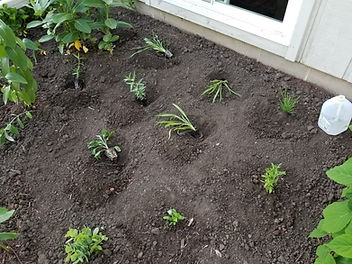
Plant each seedling approximately one foot apart from each other. Water your plants approximately once per week during an average year for the first year of establishment. (You may need to water more during a drought year).
-
. If you would like, mulch your seedlings. This will help slow down weed growth. Choose a natural mulch or for colored mulch, choose an MSC (Mulch and Soil Council) certified mulch. MSC-certified mulches are not made from recycled/treated wood, which can leach chemicals into your ground.
-
WEED! Anytime you disturb the soil, there will be weeds that begin to grow. Be a good neighbor and pull the weeds in your garden throughout the summer to keep it looking maintained. Learn how to identify common garden weeds in Minnesota at this website.
-
Bee a Dot on the Map! Homeowners, businesses, schools, and churches are invited to join a group of advocates who plant native plant gardens to create corridors of healthy habitats for pollinators throughout Faribault. The GROWS Partners for Pollinators has developed the “Bee a Dot on the Map” project and is working with the City of Faribault to help identify these native plant areas. Be a part of the movement and install a Pollinator Habitat sign in your garden to let others know that your plantings are intentional and to create an awareness of the need to “go native”. Registration forms and information can be picked up at the Faribault Community Center – Parks and Recreation or found on the City of Faribault’s website. For questions, contact ethartmanariz@gmail.com.
-
Monitor Your Pocket of Prairie. By participating in citizen science programs, you can contribute valuable data to help scientists understand and protect these vital species. Here are a few ways to get involved right from your backyard: Integrated Monarch Monitoring Program (IMMP) by Monarch Joint Venture, Minnesota Bumble Bee Atlas, and Monarch Watch Waystation Program.
-
Enjoy Your Pocket of Prairie!




Technical Assistance for Prairie Restoration
Looking to restore a native prairie, plant a pollinator garden, or install a rain garden? The Rice SWCD can assist you in developing a plan for your property. Financial assistance may also be available for some prairie restoration practices. Contact our office for details. Potential programs that can provide financial assistance to restore prairies include: